in today's digital era, building an efficient native ip airport can provide users with stable and secure network services. this article will delve into the best practices and resources for building native ip airports in south korea to help relevant practitioners better understand how to efficiently build and manage airports and improve service quality.
how to choose the right server?
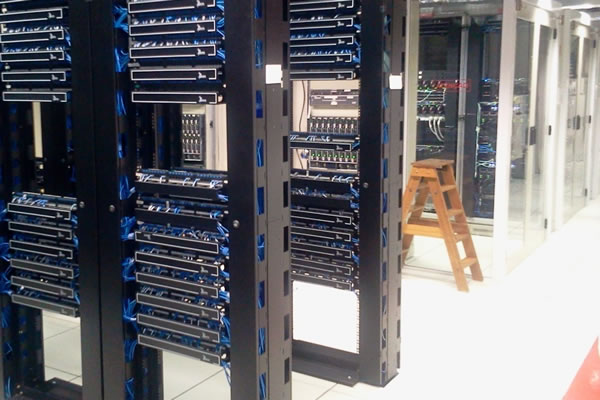
when building a korean native ip airport, choosing the right server is a crucial step. first, the geographical location of the server should be considered. server rooms located in south korea are preferred to ensure the lowest network latency. secondly, consider the bandwidth and traffic limitations of the server to ensure that it can meet the needs of users. in addition, choosing a service provider with high stability and good reputation can also effectively improve user experience.
where can i obtain native ip resources?
obtaining native ip resources is an important part of building an airport. many providers focus on providing native ip addresses, and users can find these resources through web searches, industry forums, and professional platforms. it is recommended to choose a reputable provider to ensure that the ip addresses it provides are of high quality and have good network stability. in addition to purchasing, there are also some open source projects and communities that can provide free native ip resources.
why should you care about cybersecurity?
in the process of building a native ip airport, network security cannot be ignored. with the frequent occurrence of network attacks, it is particularly important to ensure the security of user data. first, software and systems should be updated regularly and known vulnerabilities should be patched. secondly, use encryption technology such as ssl/tls to protect user data and avoid information leakage. in addition, using firewalls and intrusion detection systems to improve overall security can effectively prevent potential attacks.
how to optimize airport performance?
in order to improve the user experience, optimizing the performance of the airport is necessary. first, using load balancing technology can evenly distribute user requests and avoid overloading a single server. secondly, regularly monitor network traffic and user feedback, and make corresponding adjustments based on data analysis. in addition, using cdn acceleration technology can increase data transmission speed and reduce user access delays, thereby improving overall service quality.
how much does it cost to build a native ip airport?
the cost of building a native ip airport varies depending on many factors, including server rental fees, bandwidth fees, and maintenance fees. generally speaking, the initial investment may range from several thousand to tens of thousands of yuan, depending on the selected server configuration and service provider. it is recommended that users develop a detailed budget before construction and conduct cost control during actual operations to ensure that the input-output ratio is maximized.
which technology stack is suitable for building an airport?
in terms of technology selection, a variety of technology stacks can be used to build a native ip airport. common technologies include linux systems, nginx as a reverse proxy server, and tools such as openvpn and shadowsocks to implement network proxy functions. in addition, using docker container management can improve the flexibility and maintainability of deployment. choosing the right technology stack based on your own needs can greatly improve the performance and scalability of the airport.
how to handle user feedback and complaints?
handling user feedback is crucial to improving service quality. first, establish a feedback channel, such as online customer service, email, or social media, so that users can express their opinions conveniently. secondly, respond to user feedback in a timely manner, conduct detailed investigations into complaints, and provide reasonable explanations and solutions. in addition, regular user satisfaction surveys can help understand user needs and further optimize services.
which industry is suitable for building a native ip airport?
building a native ip airport is of great significance to many industries. first of all, the technology industry and the online education industry have high requirements for network stability and speed. building an airport can effectively improve the user experience. secondly, the gaming industry also needs a low-latency network environment to ensure that players’ gaming experience is not affected. in addition, the video streaming industry can also provide a smoother viewing experience by setting up airports.
how to evaluate the construction effect of the airport?
evaluating the effectiveness of airport construction can be carried out through multiple dimensions. first of all, network latency and bandwidth utilization are the most intuitive evaluation indicators and can be tested through professional monitoring tools. secondly, user satisfaction and feedback are also important evaluation criteria, and user opinions are regularly collected and analyzed. finally, the ratio of operating costs to revenue is also an important evaluation indicator to ensure that the airport can achieve profitability.
where can i find technical support and community resources?
in the process of building and maintaining a native ip airport, technical support and community resources are crucial. many open source communities and technical forums provide rich technical documentation and user experience sharing, such as github, stack overflow and other platforms. in addition, by joining relevant wechat groups, qq groups or forums, you can communicate with other practitioners in the industry and obtain timely technical support and help.
why choose south korea as the location to build the native ip airport?
south korea has gradually become a popular location for building native ip airports due to its advanced network infrastructure and high-speed internet services. first of all, south korea's network speed is among the best in the world and can provide users with a smooth internet experience. secondly, south korea’s regulations are relatively friendly and suitable for online business operations. in addition, south korea has abundant technical talents and can provide strong support for the construction and maintenance of airports.
- Latest articles
- Are Taiwanese Servers Easy To Maintain And Maintain? An Overview Of Security Risks And Countermeasures
- Based On Korean Servers, We Provide Nationwide Security And Compliance Issues And Response Suggestions.
- How Does The Technical Team Reasonably Schedule Vietnam's Native Proxy Ip Nodes In The Crawling Task?
- Analysis Of The Actual Value Of Singapore Host Cn2 Hosting Solution For Website Acceleration Of Foreign Trade Companies
- How To Make Good Use Of The Japanese Amazon Qq Group To Increase Store Traffic And Conversion Rate
- Enterprise Network Upgrade Guide Vietnam Cn2 Line Improves User Access Speed
- Practical Tips On Cost Control And Performance Balance In Vps Deployment In China, South Korea And Japan
- How To Achieve Stable Access To E-commerce And Saas Applications Through Cn2 Us Dedicated Servers
- Key Considerations Regarding Qualifications And Technical Support When Selecting A Service Provider For The CN2 Server Cluster In South Korea
- Recommended Singapore IPLC Dedicated Servers For Security And Compliance – Case Studies On Data Encryption And Dedicated Channel Deployment
- Popular tags
-

Understand The Configuration And Performance Analysis Of Korean Station Group Servers
this article will provide an in-depth analysis of the configuration and performance analysis of korean website cluster servers to help users understand how to choose the appropriate server and improve the optimization effect of the website. -

Exploring The Performance And Stability Of Korean Wifi Servers
explore the performance and stability of korean wifi servers and recommend the high-quality services provided by dexun telecom. -

How To Choose An Efficient Ip Address Suitable For Korean Website Group
this article details the specific steps and operation guide on how to choose an efficient ip address suitable for korean website groups.